Published on .
Medication adherence sits at the center of chronic disease management. When members don’t take medications as prescribed, even the most effective treatment plans can fail—leading to preventable complications, avoidable hospitalizations and higher healthcare costs.
Yet despite decades of attention, providers, pharmacists and health plans are still challenged with moving the needle on medication adherence.
For health plans, that gap has consequences that include quality performance and the ability to improve outcomes across an entire population.
Medication adherence determines whether treatment succeeds
Medication adherence has long played an important role in Medicare Advantage Star Ratings, with stronger adherence performance often aligning with stronger overall quality results. In fact, recent research has shown that among MA plans scoring at least 4 Stars on adherence measures, more than 70% also earned an overall rating of 4 Stars or higher.
But the value of adherence extends well beyond Star Ratings. As CMS continues shifting toward measures that reward sustained health outcomes rather than one-time clinical events, helping members consistently take their medications becomes even more important.
The same capabilities that improve adherence—identifying members at risk, understanding why they struggle and intervening before problems escalate—can also help plans better manage chronic disease, reduce avoidable utilization and improve the member experience.
Medication adherence has become more than a quality initiative. It is a foundational strategy for improving population health and driving better outcomes.
Related reading: Download our white paper, Diabetes Management: The Key to Stronger Health Outcomes and Quality Performance, to learn how proactive engagement improves outcomes for one of healthcare’s highest-risk populations.
Better adherence leads to better outcomes
The evidence is consistent. Members who take medications as prescribed experience better control of chronic conditions such as diabetes, hypertension and cardiovascular disease. They are less likely to require emergency care or hospitalization, and more likely to avoid costly complications.
For plans managing large populations with multiple chronic conditions, even modest improvements in adherence can translate into meaningful improvements in both clinical and financial performance.
Adherence is an early signal that something isn’t working
Medication adherence is also one of the earliest indicators that a member may be struggling.
A missed refill or declining refill pattern may reflect much more than forgetfulness. It can signal confusion about treatment, concerns about side effects, financial hardship, transportation challenges or difficulty navigating the healthcare system.
Rather than viewing nonadherence as the problem itself, leading organizations recognize it as a symptom. Identifying those warning signs early allows care teams to engage members before small issues become avoidable emergency department visits, hospitalizations or worsening chronic disease.
Why does adherence remain so difficult?
If the benefits of medication adherence are well established, why do so many health plans continue to struggle? The answer is that nonadherence rarely has a single cause.
Social barriers can make following a treatment plan difficult even when a member wants to stay on track. Medication costs, transportation challenges, food or housing insecurity, limited pharmacy access and language barriers can all interfere with consistent medication use.
Behavioral barriers add another layer. Members may forget doses, struggle to establish a routine, worry about side effects or question whether a medication is necessary. Addressing these challenges requires understanding the motivations and circumstances influencing each member’s decisions.
Access to treatment can also create challenges. Newer medications, including GLP-1 therapies for diabetes and obesity, have demonstrated significant clinical benefits. Yet recent research has found that only a small percentage of clinically eligible Americans receive these medications. High costs, insurance restrictions, prior authorization requirements and unequal access continue to prevent many patients from receiving potentially life-saving treatment.
Affordability continues as a challenge with the rising cost of prescription drugs, forcing many patients to delay refills, skip doses or discontinue treatment altogether.
The result is a complex adherence challenge that cannot be solved through reminders alone.
How can plans build an adherence strategy that works?
Improving adherence requires coordinated action across the healthcare ecosystem.
Successful programs often include:
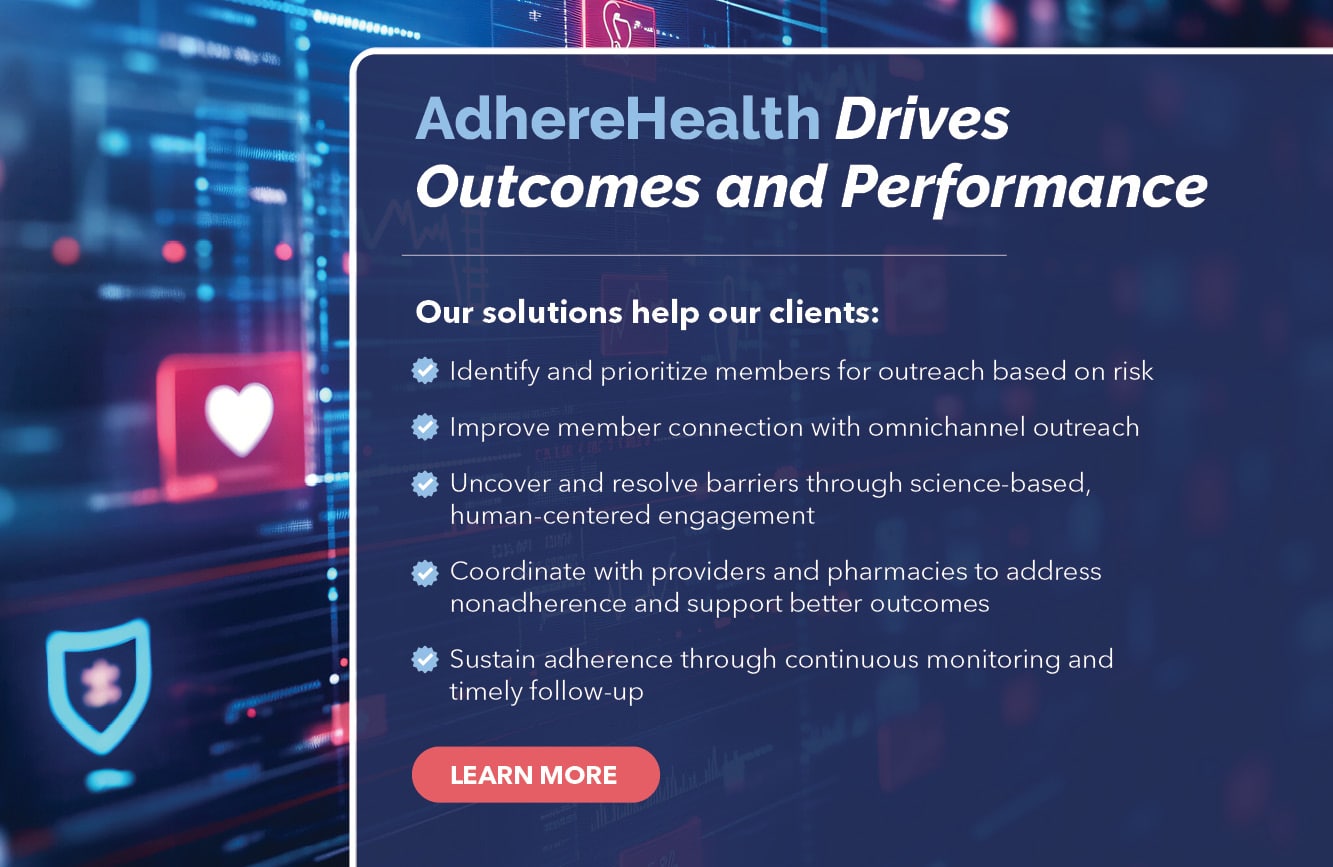
- Coordinating with pharmacies to support timely refills and notify members when medications are ready.
- Collaborating with providers through efficient communication channels, including EHR messaging, that respect increasingly busy clinical workflows.
- Using personalized outreach grounded in behavioral science to understand the real reasons members are struggling with their medications.
- Connecting members with financial assistance, transportation, language support or other resources that improve engagement and address underlying barriers.
- Continuously monitoring adherence and following up as member needs change throughout the year.
These activities transform medication adherence from a transactional refill program into an ongoing care management strategy.
Looking beyond the prescription
Medication adherence is not simply about getting members to refill a prescription. It is about helping people successfully manage chronic disease over time.
As healthcare continues shifting toward outcomes-based performance, plans that invest in proactive identification, personalized engagement and coordinated interventions will be better positioned to improve member health while strengthening quality performance.
Want to see how leading organizations are applying these strategies? Download our white paper, Diabetes Management: The Key to Stronger Health Outcomes and Quality Performance, to explore how proactive identification and personalized engagement are improving outcomes for one of healthcare’s highest-risk populations.